Where can I bridge gasless?
How Gasless Swaps Are Lowering Barriers and Fueling Cross-Chain Activity

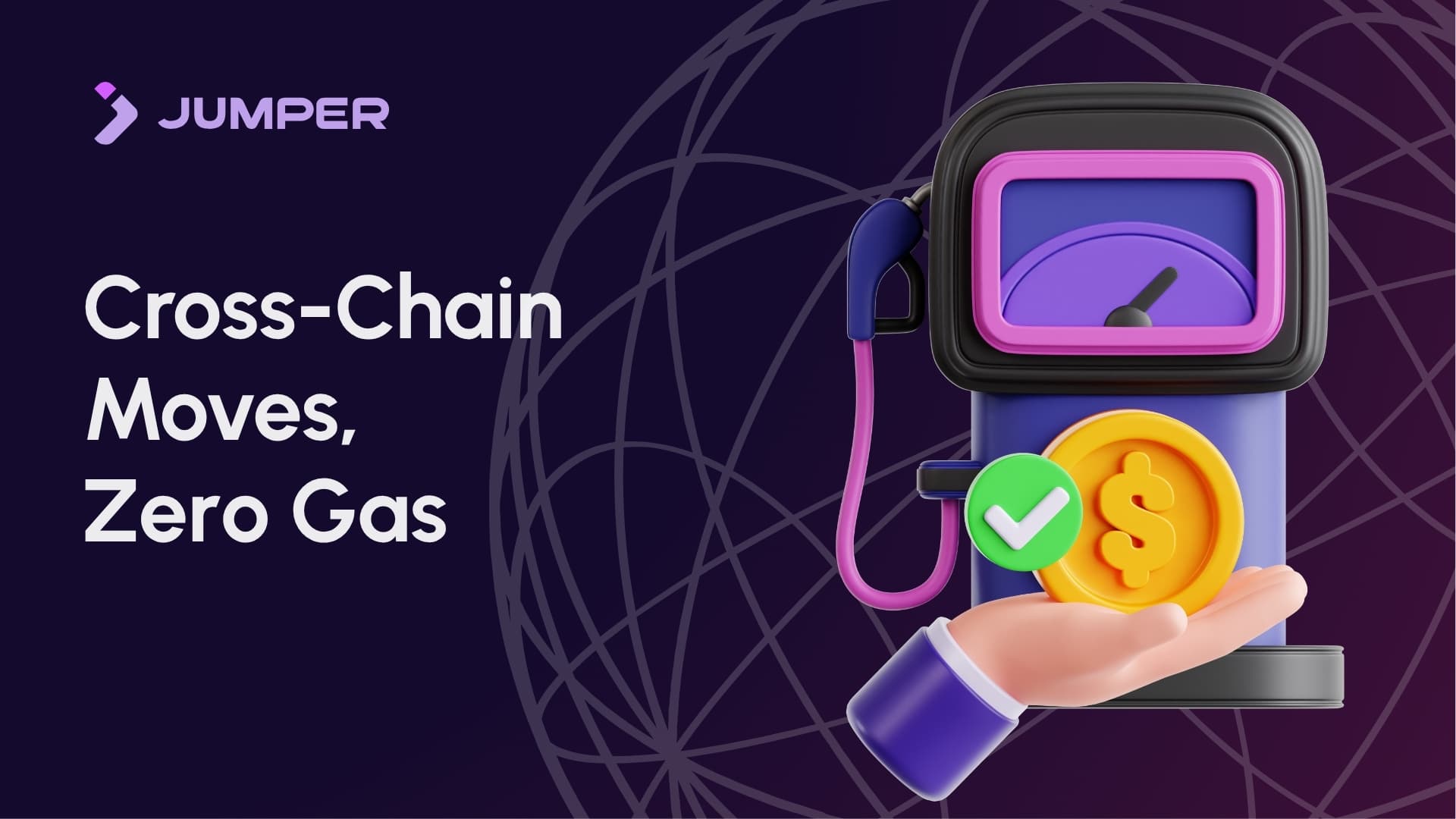
Gas fees have long been a sticking point for crypto adoption. For new users, even a simple token swap can become an expensive ordeal when you need a separate token just to cover transaction fees. That friction is finally being addressed. According to a recent report by Blockchain.News (
see article here), Phantom Wallet has reduced its minimum for gasless swaps from $75 to just $15. That’s a major leap toward onboarding the next wave of crypto users. Phantom’s gasless swaps allow users to pay for trades using the token they’re swapping, rather than needing a balance of SOL or another network-native gas token. This makes DeFi on Solana significantly more approachable. Platforms like
Jumper Exchangehelp new users discover such frictionless options across multiple chains.
What Are Gasless Swaps?
Gasless swaps remove the need for the user to pay gas in the native token of a blockchain. Instead, the cost is either subsidized or deducted from the trade itself. This innovation not only makes decentralized finance more inclusive but also enhances user experience—especially for those who are unfamiliar with managing gas fees. Projects like
0x Protocolhave enabled gasless transactions across Ethereum, Optimism, Base, and Polygon. By abstracting away the gas layer through APIs and smart contracts, they empower dApps to handle gas under the hood. Other platforms are also joining the movement.
PancakeSwapXrecently introduced gasless swaps on Ethereum and Arbitrum, providing a similar experience for users on EVM-compatible chains.
The Rise of Cross-Chain Gasless Tools
Gasless technology is now extending beyond single-chain use cases. Protocols like
Symbiosis Financeoffer cross-chain swaps without requiring KYC. You can bridge tokens between networks like BNB Chain and Polygon without touching native gas tokens. Meanwhile,
SKALE Networkprovides a fully gas-free blockchain environment for developers and users. It allows rapid deployment of EVM-compatible chains while absorbing all gas costs at the protocol level. Cross-chain aggregators like Matcha utilize bridge infrastructure like Socket to enable seamless asset migration with minimal fees. These solutions are paving the way for effortless onboarding and activity across ecosystems. You can monitor the performance of such bridges and track where gasless features are available using
Jumper Scan, a live analytics tool that visualizes liquidity routes and gas conditions in real time.
Gelato, Circle, and the Automation Angle
Automation plays a key role in making gasless bridging more reliable.
Gelato Networkhas partnered with Circle to use their Cross-Chain Transfer Protocol (CCTP), allowing users to move USDC between blockchains without the need for native gas tokens. This innovation brings programmable automation into the mix. It allows developers to build dApps where users simply click "swap" or "bridge" and the transaction gets handled end-to-end, with no wallets prompts for gas. As cross-chain messaging becomes more advanced, such as through LayerZero or Axelar, developers have greater flexibility in managing these fee abstractions. Combined with fee-relaying middleware, gasless functionality can now be deeply integrated into frontends. For developers or builders trying to implement gasless transactions,
Jumper Learnprovides guides and video content that explain how bridges work, how gas abstractions are coded, and where potential risks lie.
Phantom’s Move and Why It Matters
Phantom is the most widely used non-custodial wallet in the Solana ecosystem. Its decision to drop the minimum gasless trade amount to $15 makes DeFi more accessible to small-scale users and traders from developing countries. This adjustment signals a broader trend. It’s no longer just about low gas—it's about no gas. By embedding fee coverage into the wallet interface and working with Solana’s native capabilities, Phantom is creating a nearly Web2-like experience for crypto. For example, a user with only $20 in USDC can now make a trade without first learning they also need to buy SOL. That moment of confusion—often a dealbreaker for new users—is eliminated. This approach aligns closely with tools like
BNB Chain’s gasless stablecoinsupport, which aims to enable gasless transactions for stablecoins across wallets and CEXs. Wallet builders, bridge aggregators, and user experience designers are taking notes. Fee abstraction may become the next standard in DeFi onboarding.
Other Projects Pushing for Zero-Fee Models
Alongside Symbiosis and 0x, platforms like
Zeroswapare pioneering zero-fee multi-chain DEX aggregation. Their focus lies on simplifying swaps while encouraging user retention through reward mechanisms. What these projects share is a vision of a world where wallet balances aren’t cluttered with random tokens for gas. Instead, one balance covers it all. Whether you're on Solana, Ethereum, Arbitrum, or Base—gas becomes invisible. You can discover which chains currently support these models and track upcoming gasless expansions via
Jumper Exchange, which highlights protocols based on gas conditions and integration depth.
Education, Risk, and the Path Forward
While gasless swaps are an improvement in user experience, they also come with trade-offs. Abstracting away gas can also hide important cost signals, leading users to make poor decisions about slippage, routing, or time-based arbitrage. Education is essential. Tools like
Jumper Academyoffer structured paths to understanding bridging, gas costs, and wallet management. It’s especially helpful for onboarding users new to DeFi.
Security also matters. Gasless systems often rely on relayers or third-party automation. If not properly implemented, they can become attack vectors. Audits, bounty programs, and transparency about relayer behavior are key to long-term adoption. But when done well, gasless swaps are a game-changer. They unlock true DeFi usability, making it possible for anyone with a smartphone and a token to start transacting—without hidden fees or confusing steps.
Further Reading