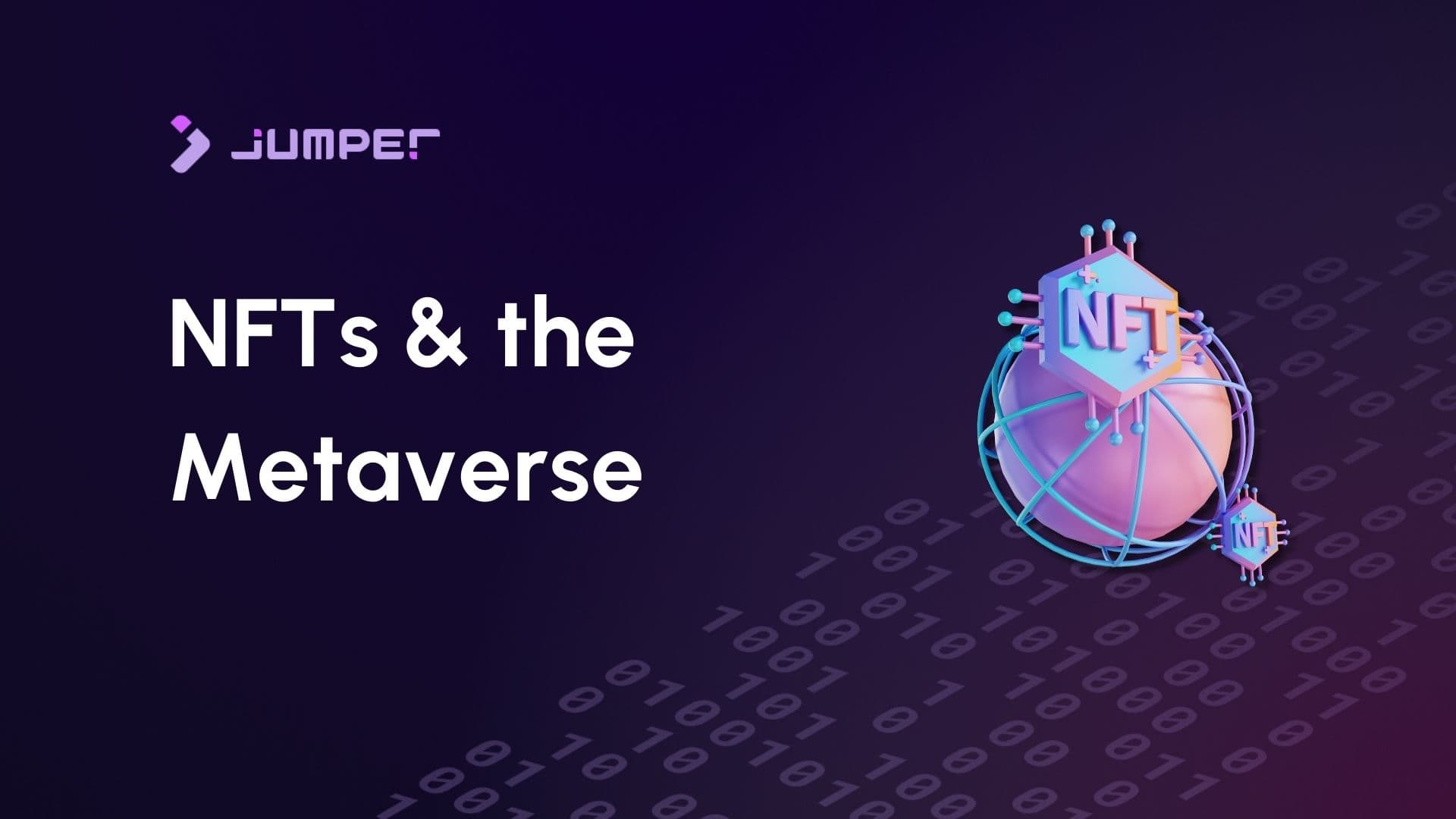
How Are NFTs and the Metaverse Connected?
Explore how NFTs and the metaverse converge to redefine digital ownership, enabling seamless asset transactions and enhancing user experiences.

The worlds of
NFTs (non-fungible tokens)and the
metaverse
are converging to redefine digital ownership and interaction. While the metaverse creates immersive digital environments, NFTs provide a means of owning unique virtual assets. Platforms like
Julius Baerhighlight how NFTs empower users to purchase, trade, and hold assets such as virtual real estate, digital art, and in-game collectibles, making them vital in metaverse ecosystems.
adds to this ecosystem by enabling cross-chain functionality, making it easier to bridge NFTs and digital assets between blockchains. This interoperability supports seamless transactions within the metaverse.
The Role of NFTs in the Metaverse
act as proof of ownership for digital items within the metaverse, allowing users to buy and sell assets securely. These assets can include:
- Virtual Real Estate: Users can purchase and trade land in metaverses such as Decentraland and Sandbox.
- Collectibles and Avatars: NFTs enable customization and uniqueness of virtual avatars and collectibles.
Platforms like
Coinswitchemphasize how these tokens enhance user experiences by offering tangible value and ownership.
Interoperability Between NFTs and the Metaverse
is a crucial aspect connecting NFTs to various metaverse platforms. Users can utilize their assets across different ecosystems, enhancing flexibility and engagement.
Jumper Exchange
facilitates this by allowing cross-chain NFT bridging, enabling assets to move seamlessly between blockchains. For example:
- Bridging Collectibles: NFTs can move from Ethereum to other chains for specific in-game applications.
- Tokenized Assets: Cross-chain solutions ensure smooth integration of assets into multi-chain metaverses.
What Makes NFTs Vital for the Metaverse Ecosystem?
Establishing Ownership
give users undeniable proof of ownership for their digital assets. Platforms like
Veritonestress the importance of this feature in securing user investments.
Monetizing Creativity
NFTs enable creators to monetize their work in ways not previously possible. Virtual artists and developers can sell their assets directly within metaverse environments.
What Challenges Must Be Addressed to Fully Integrate NFTs Into the Metaverse Ecosystem
While NFTs promise immense potential in the metaverse, challenges such as scalability, interoperability, and security must be addressed. Platforms like
Coinswitchemphasize the need for efficient blockchain networks to handle high transaction volumes and support diverse NFT use cases.
Jumper Exchange
simplifies this by enabling secure, scalable NFT transfers across multiple chains, ensuring compatibility and efficiency for metaverse platforms.
How Jumper Exchange Bridges the NFT and Metaverse Gap
simplifies NFT and token transfers across chains, enabling smoother interaction within the metaverse. Its features include:
- Cross-Chain NFT Compatibility: Move assets across metaverse platforms seamlessly.
- Unified Interface: Jumper aggregates liquidity and routes, ensuring efficient transactions for metaverse users.
- Enhanced Security: With advanced smart contract protocols, users can trust the reliability of their transactions.
By integrating platforms like Jumper, users can unlock greater possibilities in the metaverse while reducing the friction often associated with multi-chain ecosystems.
NFTs and the Metaverse: A New Digital Frontier
The integration of NFTs into the metaverse is reshaping how users experience digital spaces. By enabling ownership, monetization, and cross-chain capabilities, this combination fosters creativity and innovation. Tools like
Jumper Exchangefurther enhance these possibilities, making the metaverse more accessible and interconnected.
Additional Resources